Improving Reaction Speed in Table Tennis
Discover practical and effective exercises to develop your reaction speed and ability to anticipate your opponent's moves. A comprehensive guide covering modern training techniques and proven strategies to raise your performance level in competitions.
Why Does Reaction Speed Matter?
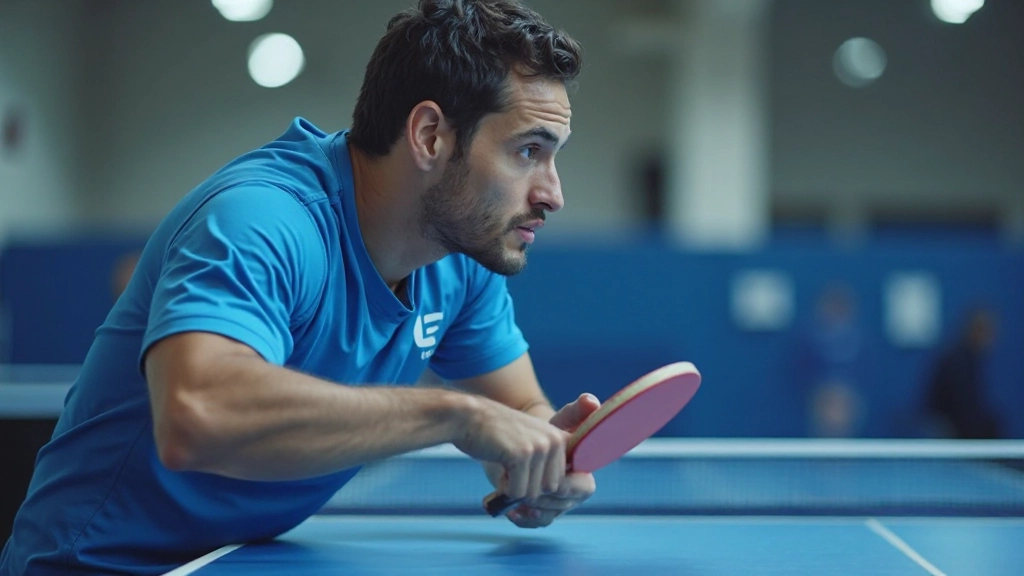
In table tennis, the difference between winning and losing is measured in fractions of a second. Reaction speed is not just an innate trait — it is a skill that can be developed and improved through organized and repeated training. When you improve your ability to respond quickly to different balls, you will notice a tangible improvement in your accuracy and confidence during matches.
Recent studies confirm that professional table tennis players have reaction times 30–40% shorter than ordinary people. This is not just due to talent, but because of regular training and guided practice.
Core Exercises for Improving Reactions
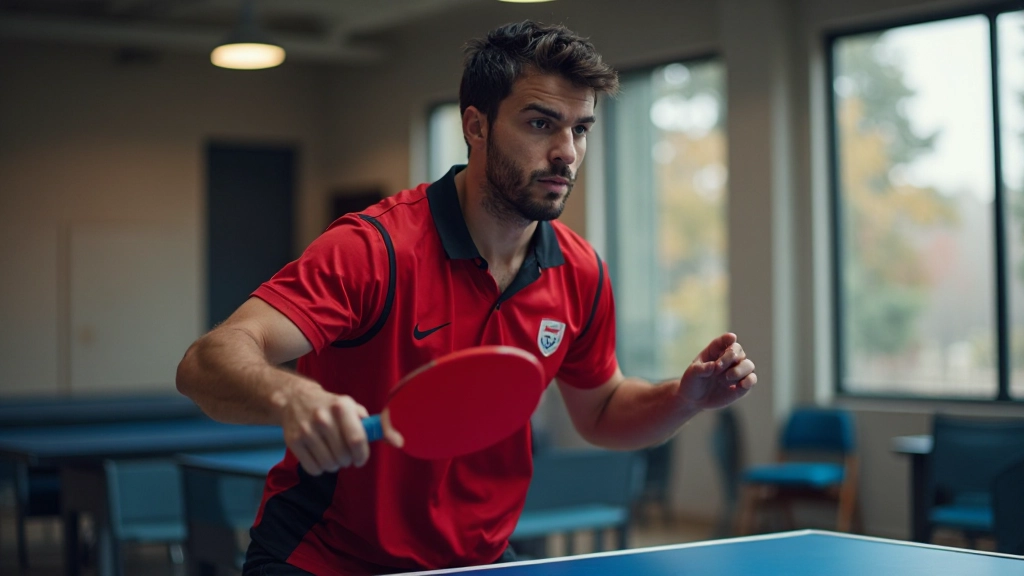
Exercises focused on improving reaction speed fall into several main categories. Visual exercises focus on improving your ability to track and follow the ball's movement, while motor exercises develop your ability to respond physically and quickly.
Core Visual Exercises:
- Ball tracking: Follow the ball's movement with your eyes from the moment your opponent hits it until it reaches you
- Focus on the bounce point: Pay attention to where the ball bounces on the table
- Anticipate direction: Try to predict the ball's direction before it reaches you
The Progressive Training Program
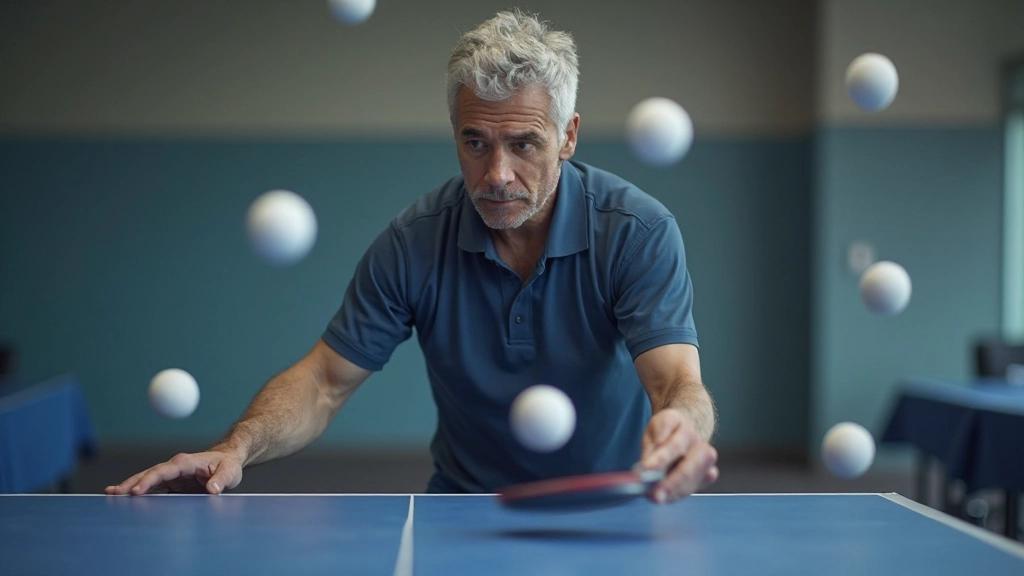
An effective program for improving reactions must be gradual and structured. Start with simple exercises at a moderate pace, then gradually increase the difficulty. This approach allows your nervous system to adapt to the new demands.
Weeks 1 & 2
Simple visual exercises, 15 minutes daily
Weeks 3 & 4
Add light motor exercises, 20 minutes daily
Weeks 5 & 6
Intensive exercises at high speeds, 25 minutes daily
Advanced Techniques
Effective methods to accelerate your neural and motor response
Sequential Light Exercises
Use colored lights that appear at varying speeds and respond quickly. This trains your brain to process visual information more efficiently.
Anticipation Exercises
Anticipate the ball's path before it reaches you. This requires a deep understanding of ball dynamics and your opponent's playing style.
Quick Movement Exercises
Move quickly between different positions at the table. This improves body coordination and neuromuscular response.
Mental Focus
Mindfulness and focus exercises improve your ability to stay alert throughout the match and reduce errors.
Practical Tips for Immediate Application
Real improvement comes from consistent application and focused practice. Here are practical tips you can apply directly in your training sessions:
"The difference between an average player and a professional is not talent, but discipline and continuous practice on improving the small details."
— Professional Table Tennis Coaches
- Train daily: Even 15 minutes of focused training is better than a long, unstructured session
- Track progress: Keep a record of your improvement to motivate yourself and identify areas needing more work
- Variety matters: Change exercises regularly to avoid boredom and negative adaptation
- Rest and nutrition: Good sleep and proper nutrition improve reaction speed
Next Steps
Improving reaction speed in table tennis is a gradual process that requires patience and commitment. Start with the basic exercises, follow the progressive program, and apply the practical tips. You will notice a tangible improvement within 4–6 weeks of regular training.
Ready to Improve Your Game?
Start the training program today and discover the difference that focused practice can make. With discipline and patience, you will reach higher performance levels.
Explore More Training ProgramsImportant Note
The information provided in this article is for educational purposes only and is based on best known practices in table tennis training. Each player has different needs and physiological capabilities. It is recommended to consult a specialist coach before starting any new training program. If you feel any pain or injury during training, stop immediately and consult a healthcare professional.