
Mental Focus Strategies for Competitions
Discover mental focus techniques and nerve control during official competitions and high pressure. Learn how to improve your ability to concentrate and achieve exceptional performance under pressure.
The Difference Between a Champion and an Average Player
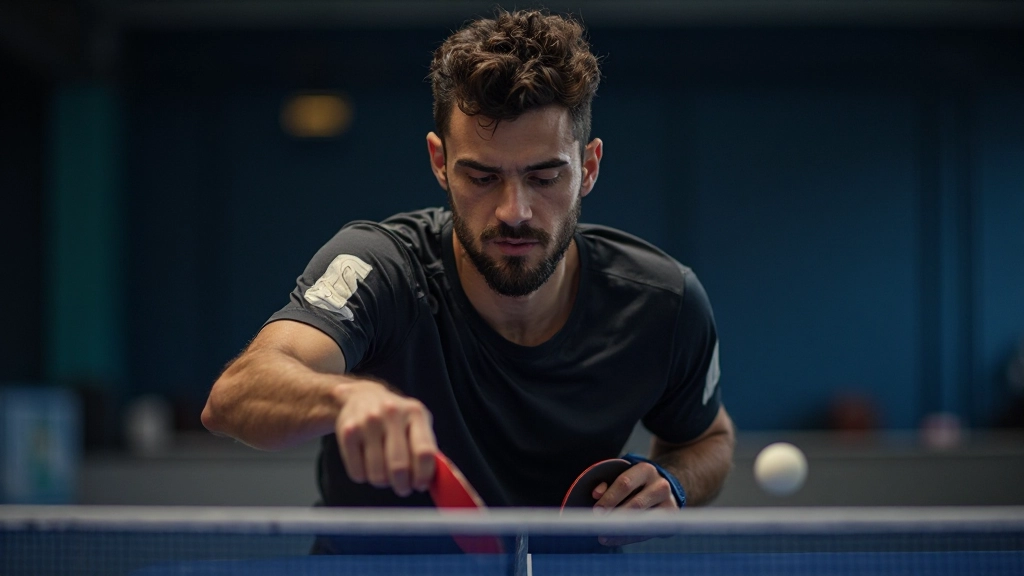
In table tennis, technical skill is not everything. The real difference between a professional player and an average player lies in the ability to maintain mental focus in critical moments of pressure. When nerves are tense and the match is on the line, mental focus becomes the decisive factor that separates winning from losing.
Focus is not just an innate talent — it is a skill that can be developed and improved through regular training and correct application of proven psychological techniques.
Players who master mental focus techniques achieve 40% better results in high-pressure competitions.
8 Effective Mental Focus Techniques
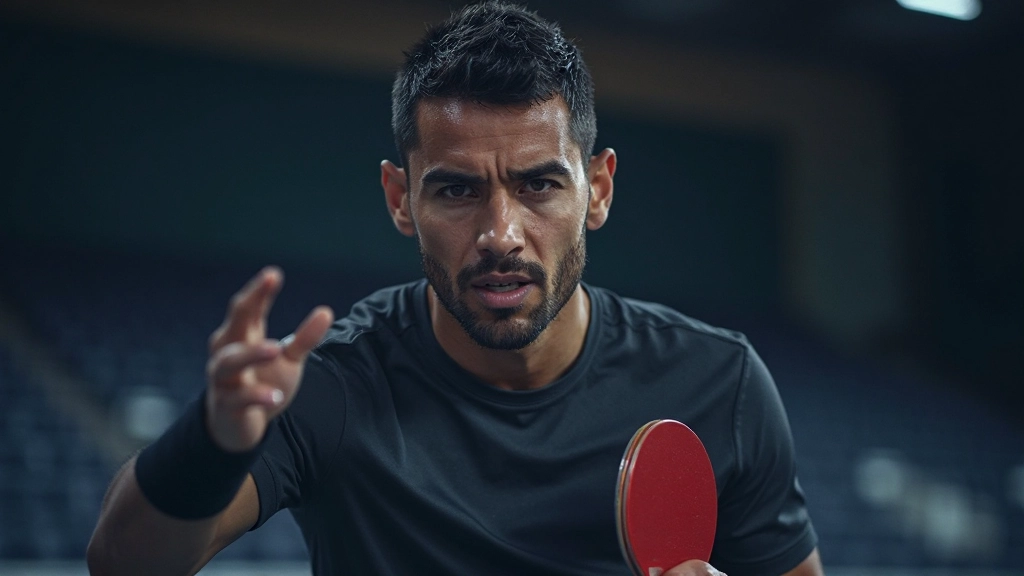
Proven and easy-to-apply methods used by professional players
Regular Deep Breathing
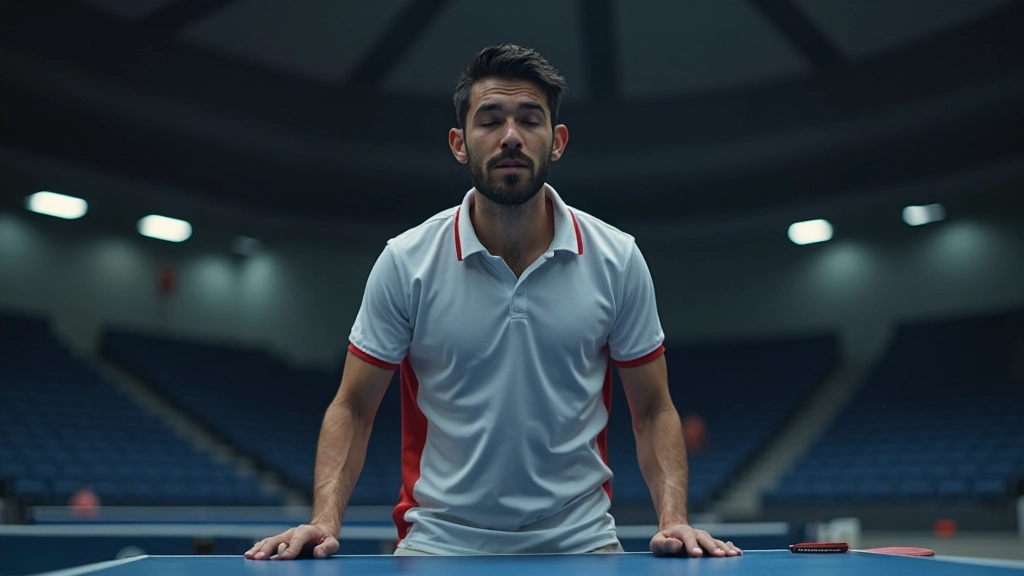
The 4-4-4 breathing technique helps calm the nervous system and increase oxygen flow to the brain. Take a deep breath for 4 seconds, hold it for 4 seconds, then exhale slowly over 4 seconds.
Mental Visualization
Visualize yourself successfully executing the required movement before performing it. Imagine every detail: the arm movement, the ball position, the expected trajectory.
Setting a Focus Point
Choose one point on the table or in the court to focus on completely before each game. This eliminates external distractions.
Advanced Techniques for Competitive Players
Mindfulness
Be fully present in the current moment. Don't think about past mistakes or the final score — focus only on the current game.
Positive Reprogramming
Replace negative thoughts with positive affirmations. Instead of "I might lose," tell yourself "I am ready and capable of winning."
Pre-Game Routine
Develop a personal routine before each game: it could be a specific breathing exercise, a particular body movement, or a motivational word you say to yourself.
How to Apply These Techniques in Competition
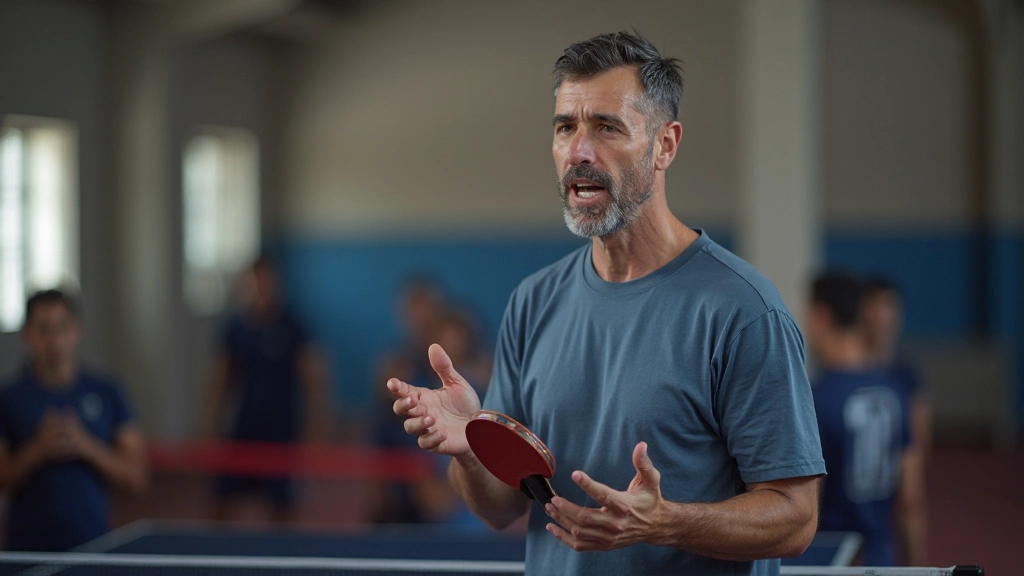
Applying mental focus techniques requires patience and commitment. Start by applying one technique in regular training before using it in official competitions. When you feel comfortable and confident applying one technique, gradually add another.
Common Challenges and Solutions
Losing Focus Quickly
You may find yourself losing focus after a few games. Solution: take short breaks and apply the deep breathing technique regularly, even during the match.
Anxiety About the Result
Focusing on the final result increases psychological pressure. Focus on each game individually rather than the overall score.
Negative Thoughts
When negative thoughts enter your mind, acknowledge them and let them pass. Don't fight the negative thought directly — focus on the positive thought instead.
Opponent Pressure
When your opponent is strong, you may feel extra pressure. Remember that they feel pressure too. Focus only on your own game.
Conclusion: Mental Focus Is the Key
"In decisive moments of competition, whoever controls their mind controls the outcome of the game."
— Sports Psychology Training Experts
Mental focus doesn't happen by chance. It is the result of regular training and correct application of proven techniques. When you start applying these techniques in your daily training, you will notice a gradual improvement in your ability to stay focused even in the most difficult situations.
Remember that every professional player started where you are now. The difference between you and them is not just talent, but the commitment to continuously developing mental focus skills.
Start Your Journey Toward Perfect Focus
Apply these techniques starting today in your training and watch the difference in your performance.
Discover More Training
Important Note
This content is provided for educational and informational purposes only. The mental focus techniques mentioned here are based on well-known training methods and common practices in the field of sports. Each individual has different needs, so we recommend consulting a specialist coach or sports psychologist before applying any of these techniques on a wide scale. Results may vary from person to person depending on commitment and regular practice.